Chemical Raw Material
 banner_

Octanol

CAS No:111-87-5

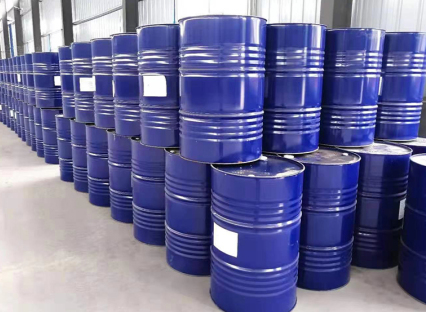
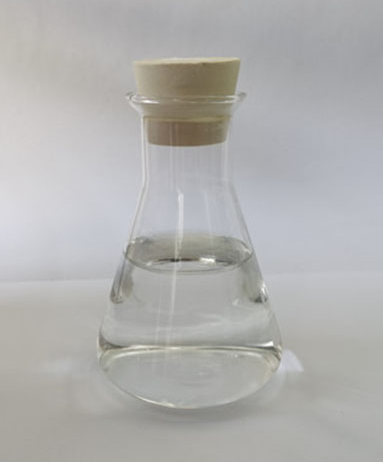
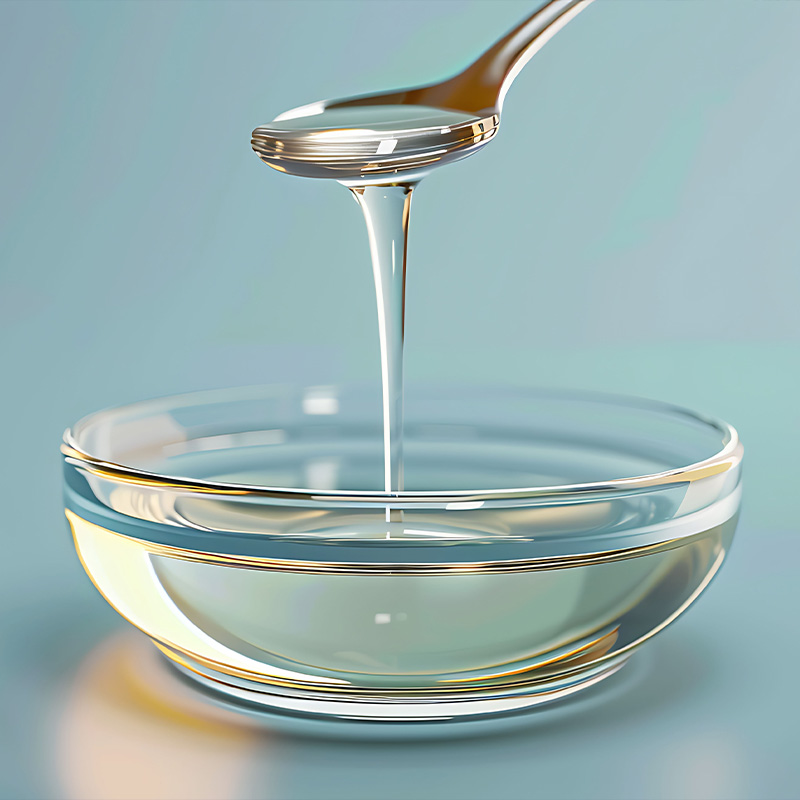
Octanol is a high-boiling, low-volatility C8 fatty alcohol. It is a clear, colorless, slightly viscous liquid with a characteristic odor, insoluble in water but freely miscible with most organic solvents. 2-EH is a critical chemical intermediate globally used in the production of DOTP (Dioctyl Terephthalate), DOP (Dioctyl Phthalate), and 2-EHA (2-Ethylhexyl Acrylate) for flexible PVC, coatings, adhesives, and lubricant additives.

Technical Parameter Standard Specification Test Method
2-Ethylhexanol Assay ≥  99.5% GC Analysis / GB/T 6818
Appearance Clear, colorless liquid Visual Inspection
Color (Pt-Co / Hazen) ≤ 10 ASTM D1209 / ISO 6271
Density (@ 20°C) 0.831 - 0.899  g/cm³ ASTM D4052
Moisture Content ≤ 0.10% ASTM E203 (Karl Fischer)
Acidity (as Acetic Acid) ≤ 0.010% ASTM D1613
Aldehyde Content (as 2-EHA) ≤ 0.05% GB/T 6818
Boiling Range (@ 101.3 kPa) 183- 186℃ ASTM D1078

The use of octanol in the industry


Coatings/paints/inks industry

Plasticizer Industry (Core Applications)

Octanol is the main raw material for making plasticizers, with about 80% of it used in this field. It's used to produce dioctyl phthalate (DOP), dioctyl terephthalate (DOTP), and the like, which help make PVC products more flexible and durable. You'll find it everywhere, from wires and cables to artificial leather, flooring, films, and car interiors.


Acrylates and the adhesive industry

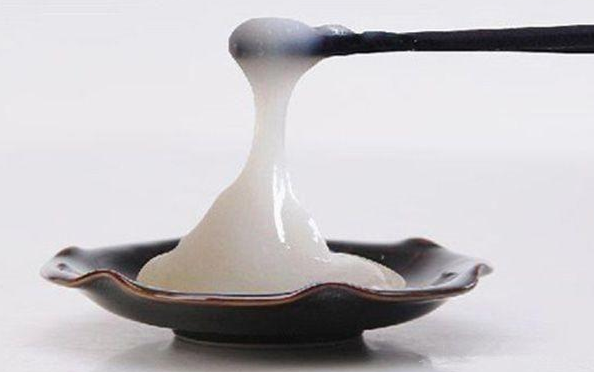
Octanol reacts with acrylic acid to produce octyl acrylate, which is used to make adhesives, plastic modifiers, and aids for paper and leather processing. It’s also widely used in paints, coatings, and sealants.

Acrylates and the adhesive industry


Coatings and paint industry

Coatings and paint industry

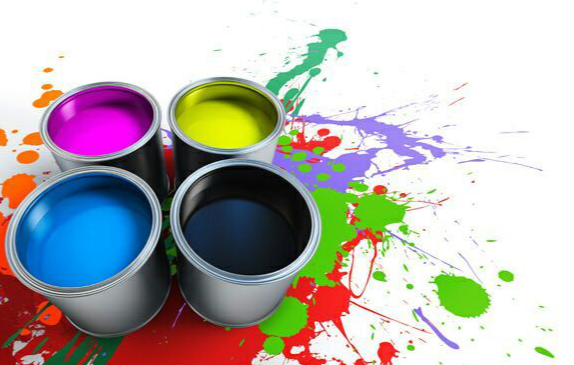
Hexanol is used as a solvent or chemical intermediate in paint and coating formulations, which can improve the product's flow and workability. Its use in the coating industry accounts for a considerable portion of total market demand.


Other industrial applications

Amyl alcohol is also used as a solvent, antifreeze, lubricant, extractor, dispersant, stabilizer, and defoamer, and it’s applied in processes like finished oil, ceramic glaze dispersion, dyeing, and papermaking. It’s also used to make fragrances and cosmetics, and can serve as a raw material for surfactants.

Other industrial applications