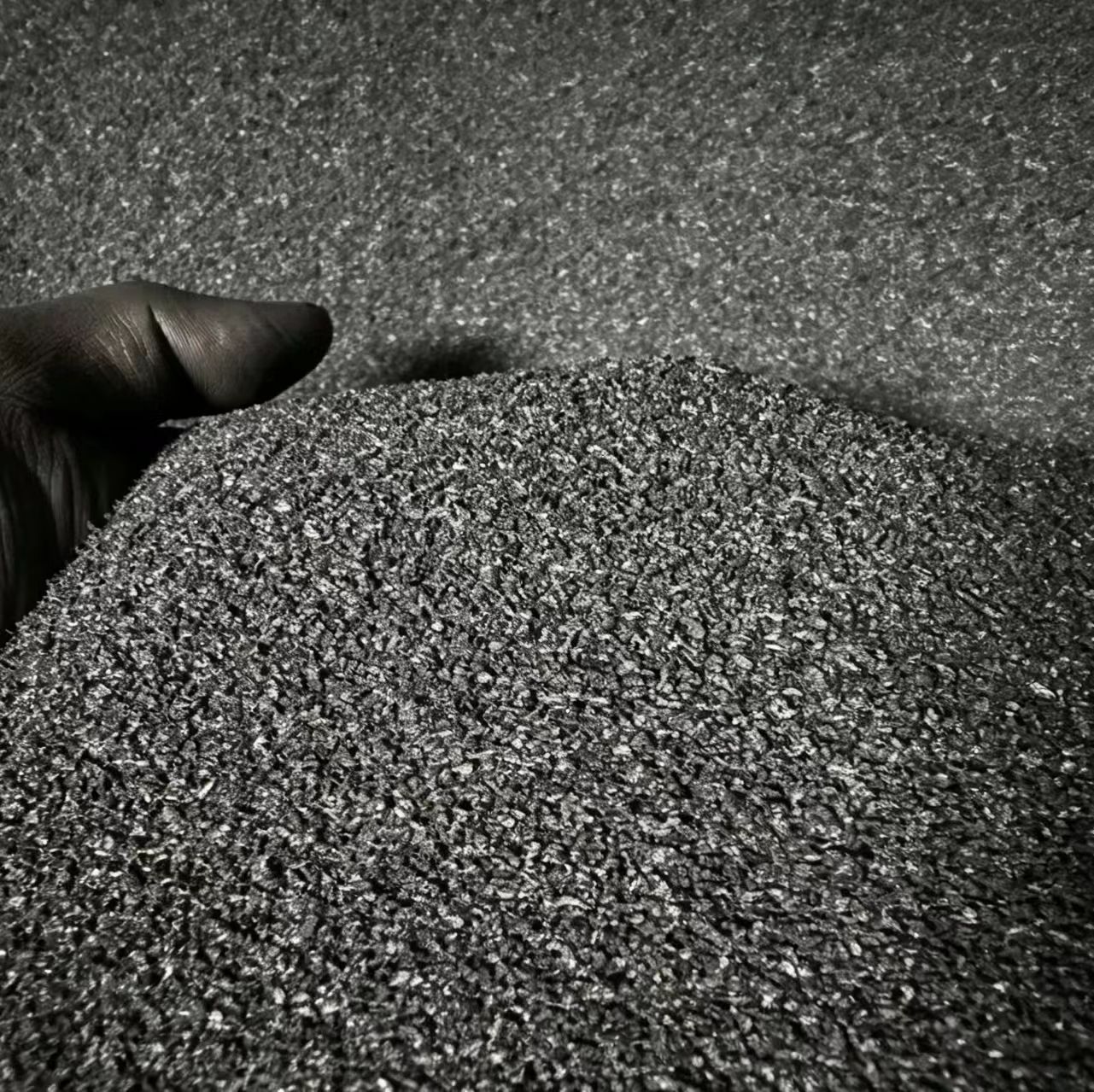
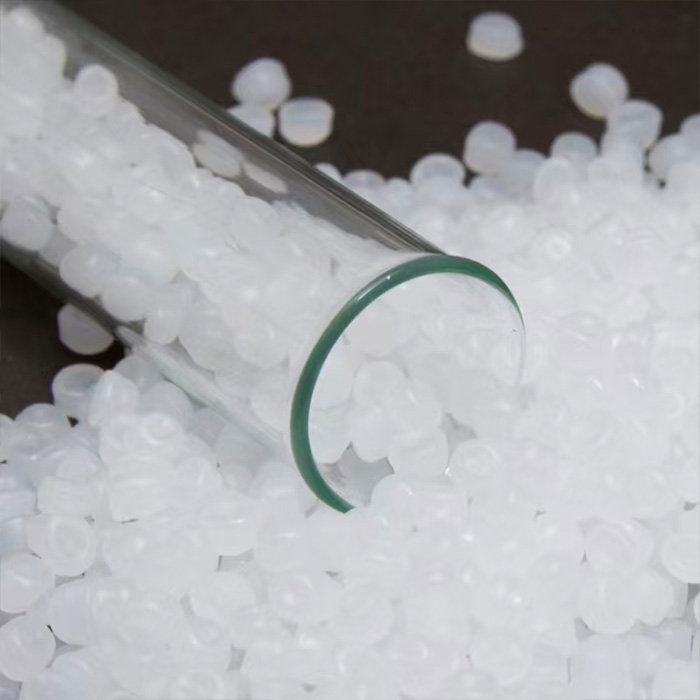
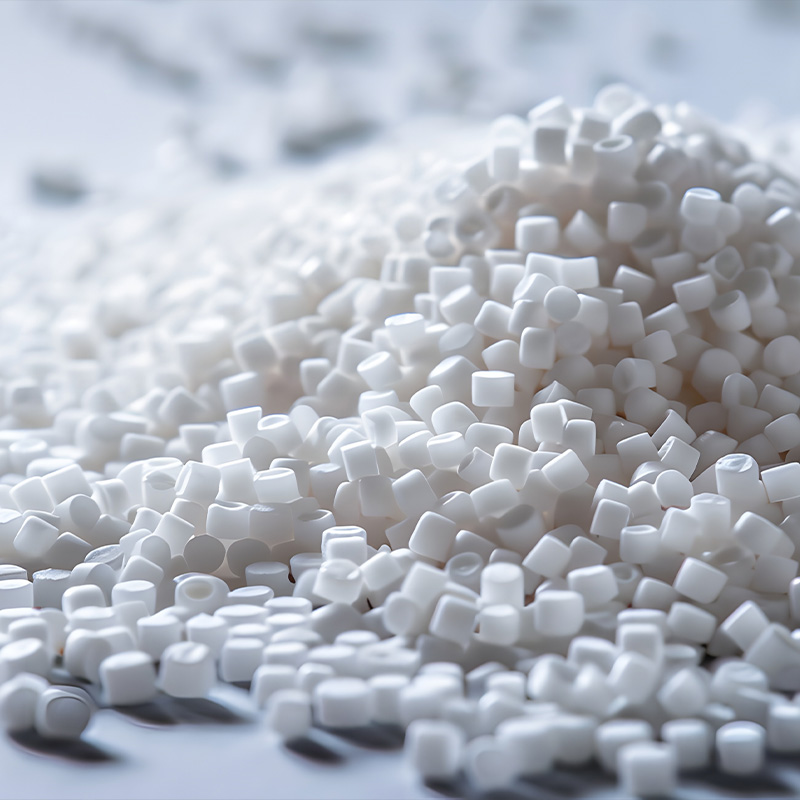
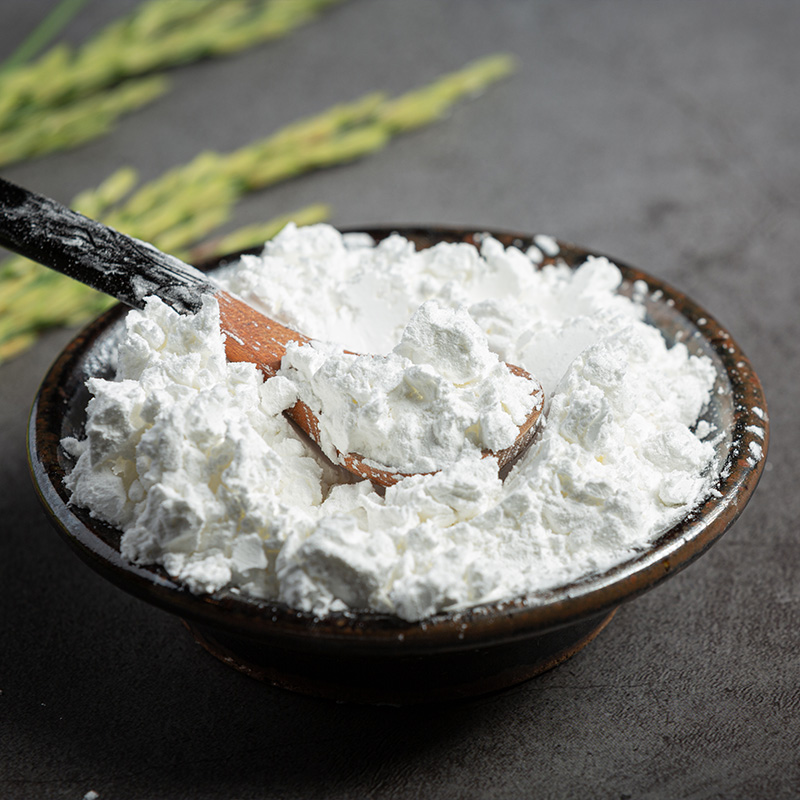
Graphitized Petroleum Coke (GPC)
GPC's main strengths are high purity, low sulfur/nitrogen, and high carbon content, making it suitable for high-end applications with stringent impurity requirements:
High transparency: excellent light transmittance, crystal clear appearanceHigh mechanical strength: resistant to impact, pressure, and not easily deformed
Good barrier properties: effectively blocking gases and water vapor, extending shelf life
Safe and non-toxic: meets food contact standards, has strong chemical stability
Recyclable: Mature recycling system with high recycling rate
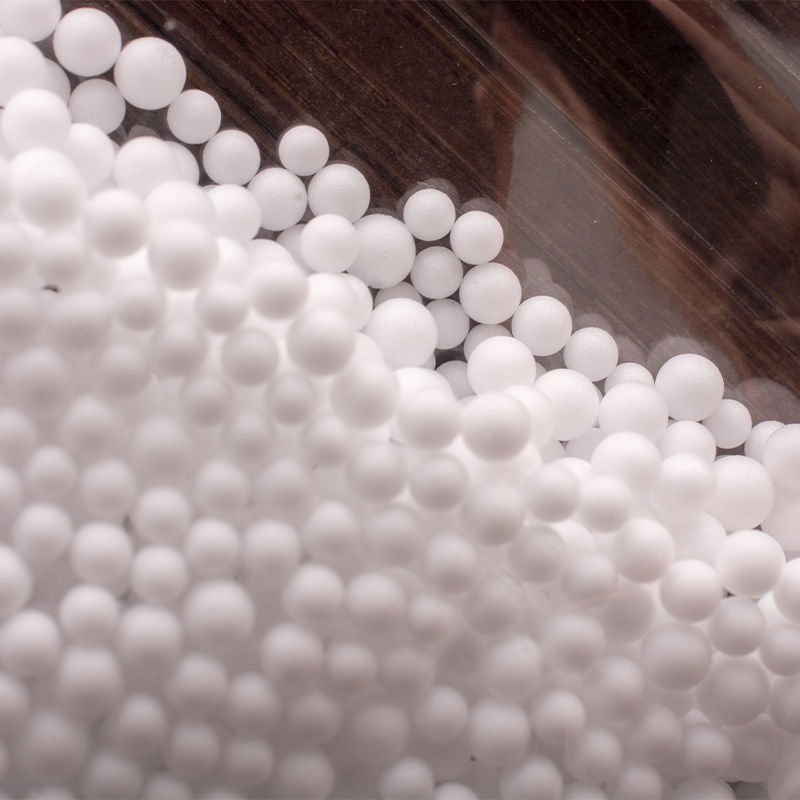
Polypropylene (PP) is a versatile thermoplastic polymer produced from propylene monomers. Renowned for having the lowest density among commodity plastics (approx. $0.90\text{--}0.91\text{ g/cm}^3$), PP offers an exceptional balance of chemical resistance, high heat tolerance (melting point at $160\text{--}170^\circ\text{C}$), superior flexural fatigue resistance ("living hinge" property), and high tensile strength.
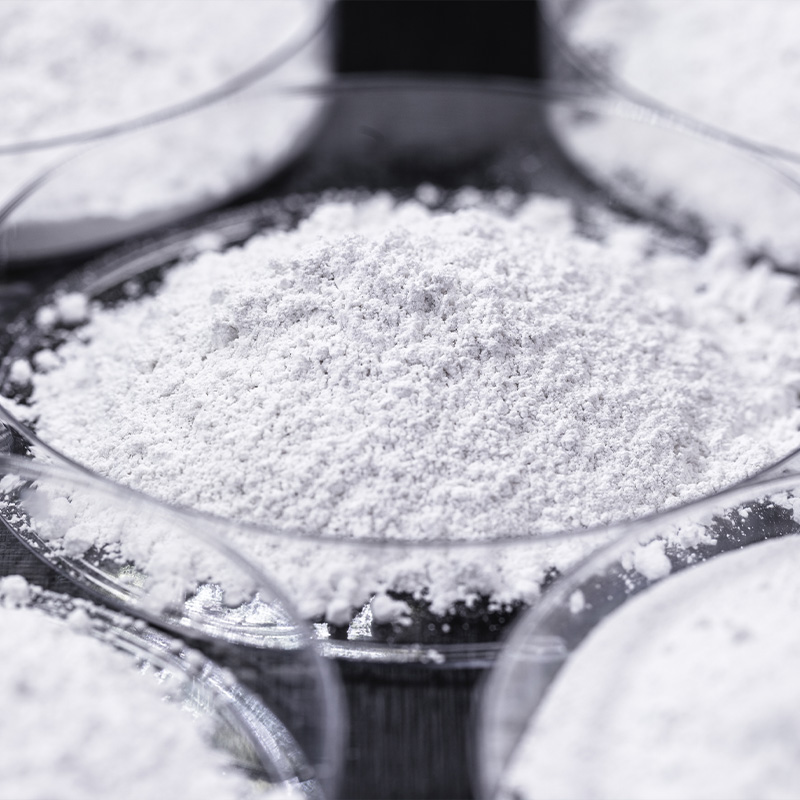
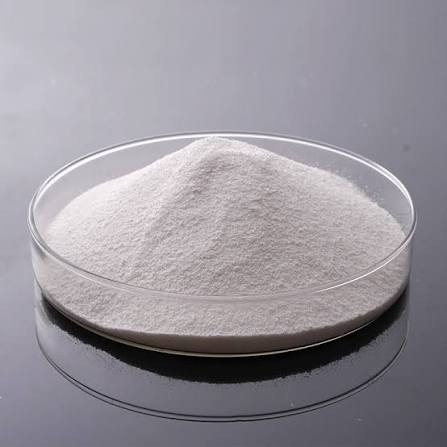
Barium CarbonateBaSO₄ is a heavy white powder featuring high chemical purity and excellent thermal stability. As an essential raw material in the inorganic chemical sector, it is widely utilized as a flux/clarifier in glass and ceramics, a precursor for electronic ceramics (MLCC), a functional extender in coatings and plastics, and a purifying agent in environmental water treatment.
Ethylene-Vinyl Acetate (EVA) copolymer is a highly versatile thermoplastic material renowned for its flexibility, elasticity, and superior processability. By adjusting the VA (Vinyl Acetate) content, EVA serves as an indispensable material across footwear foaming, PV encapsulation, sports cushioning, wire & cable jacketing, and hot melt adhesives.
Plasticizers are high-boiling, low-volatility organic liquids or solids added to synthetic polymers—primarily Polyvinyl Chloride (PVC)—to lower their glass transition temperature (Tg), melt viscosity, and elastic modulus. By embedding between polymer chains, plasticizers reduce intermolecular forces, significantly improving flexibility, elongation, and processability. Modern plasticizer technology emphasizes Non-Phthalate Eco-Friendly Plasticizers alongside specialized performance esters for wire & cable, medical, food packaging, and automotive applications.
Magnesium Oxide is an odorless, non-toxic, basic inorganic oxide with an ultra-high melting point (2852℃). It is practically insoluble in water and alcohol but dissolves readily in acids and ammonium salt solutions. Depending on calcination temperatures and processing methods, Magnesia is classified into Caustic Calcined Magnesia (CCM), Dead Burned Magnesia (DBM), Fused Magnesia (FM), and Food/Pharmaceutical Grade.
Octanol is a high-boiling, low-volatility C8 fatty alcohol. It is a clear, colorless, slightly viscous liquid with a characteristic odor, insoluble in water but freely miscible with most organic solvents. 2-EH is a critical chemical intermediate globally used in the production of DOTP (Dioctyl Terephthalate), DOP (Dioctyl Phthalate), and 2-EHA (2-Ethylhexyl Acrylate) for flexible PVC, coatings, adhesives, and lubricant additives.
Polycarboxylate Ether Superplasticizer (PCE) represents the 3rd generation of high-performance concrete admixtures following lignosulfonates and naphthalene-based superplasticizers. Featuring a unique comb-like molecular structure, PCE achieves superior dispersion through a combination of electrostatic repulsion and steric hindrance. It delivers exceptionally high water reduction (≥25 % - 40 %) at very low dosage rates, making it essential for high-strength concrete, self-compacting concrete (SCC), precast elements, and long-distance pumped concrete.
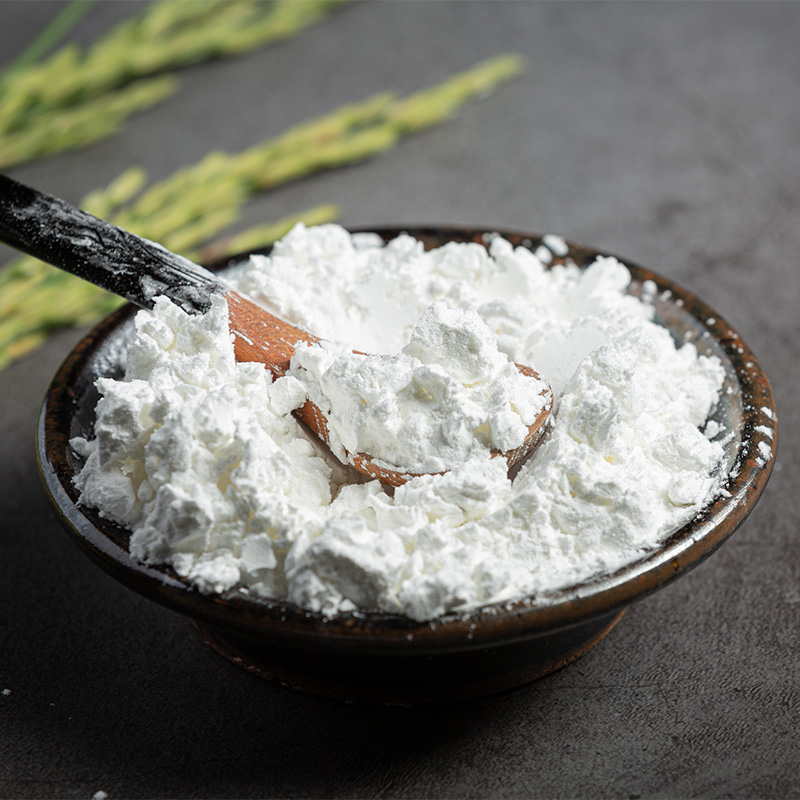
Hexanedioic Acid is one of the most important industrial dicarboxylic acids. It appears as a white crystalline powder with a low hygroscopic profile. Adipic Acid is primarily supplied as Polymer/Industrial Grade and Food/Pharma Grade (E355), acting as a critical building block for Nylon 66, Polyurethane (PU) elastomers, cold-resistant plasticizers, and food acidity regulators.
Soda ash is one of the largest and most widely used basic inorganic chemical raw materials in the world. Soda ash is a white odorless powder or particle at room temperature, easily soluble in water, and the aqueous solution is strongly alkaline. Industrial soda ash is mainly divided into two categories: heavy soda ash (Soda Ash Dense) and light soda ash (Soda Ash Light), which are widely used in fields such as flat glass, daily glass, detergents, metallurgy, papermaking, and water treatment.
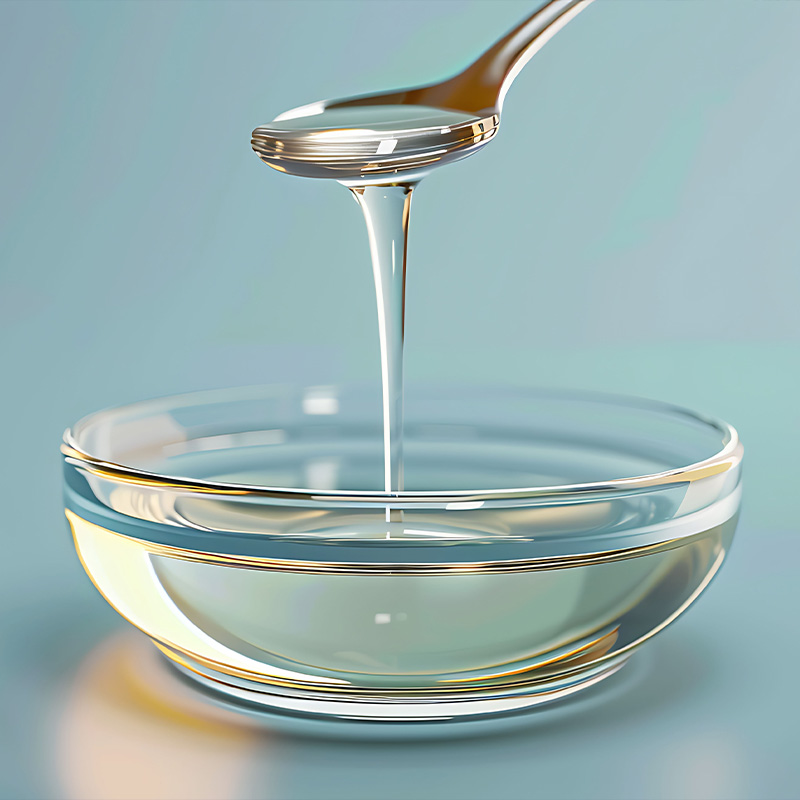
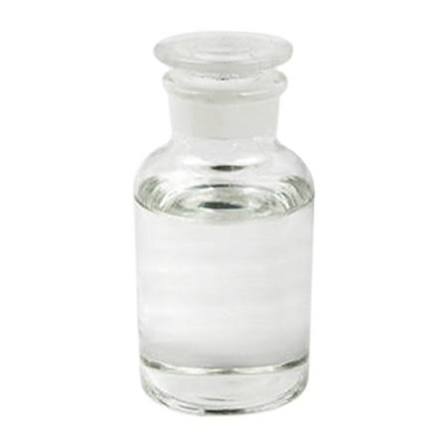
Propylene glycol is a colorless, almost odorless, clear and viscous hygroscopic liquid. As a highly commercially valuable diol, propylene glycol has excellent solubility, low toxicity, moisture absorption, and anti freezing and anti freezing properties. In industry, it is mainly divided into pharmaceutical/food grade (USP/EP/FCC Grade) and industrial grade (Industrial Grade), which are widely used in unsaturated polyester resins (UPR), food additives, pharmaceutical solvents, cosmetic water retaining agents, e-liquid, antifreeze and heat carrier media.